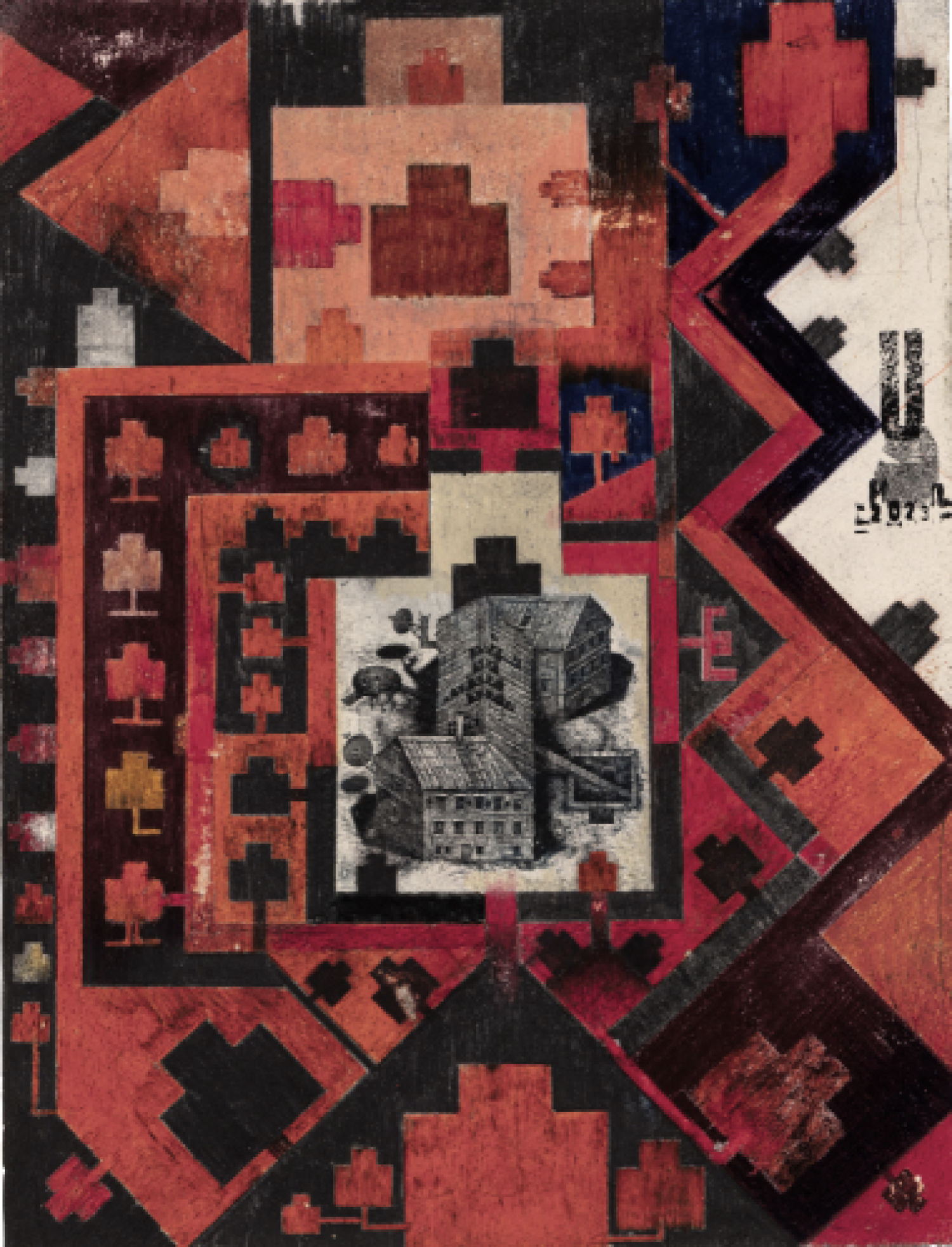
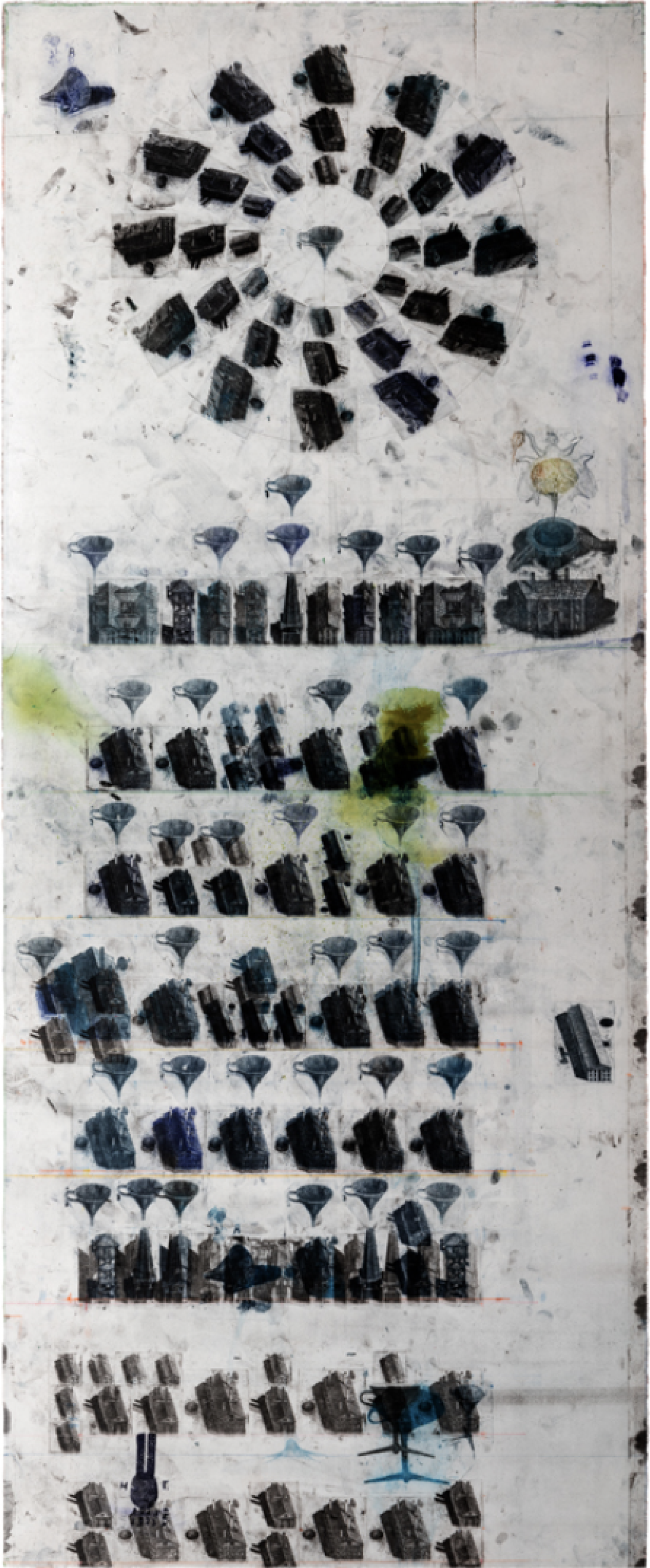
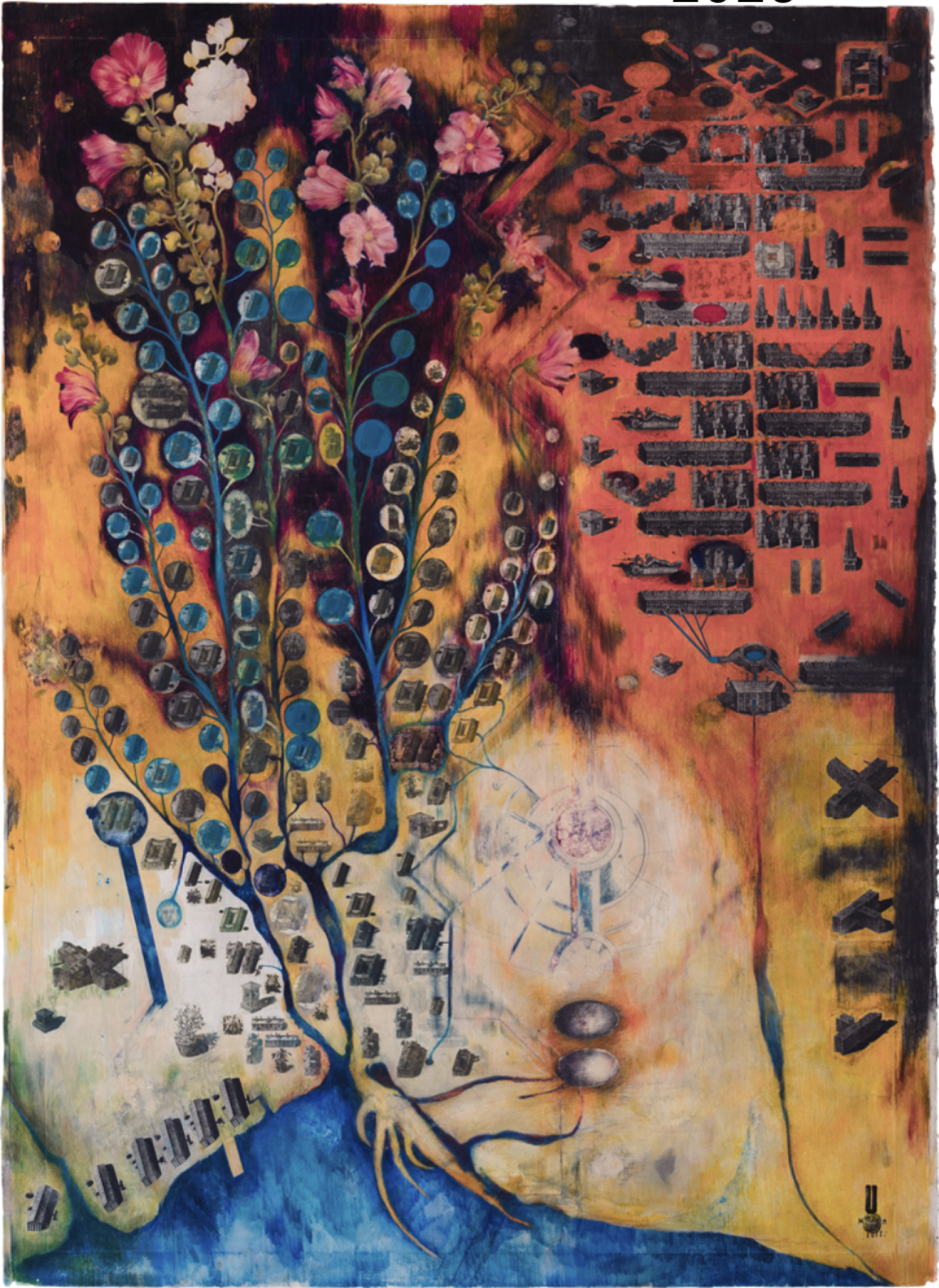
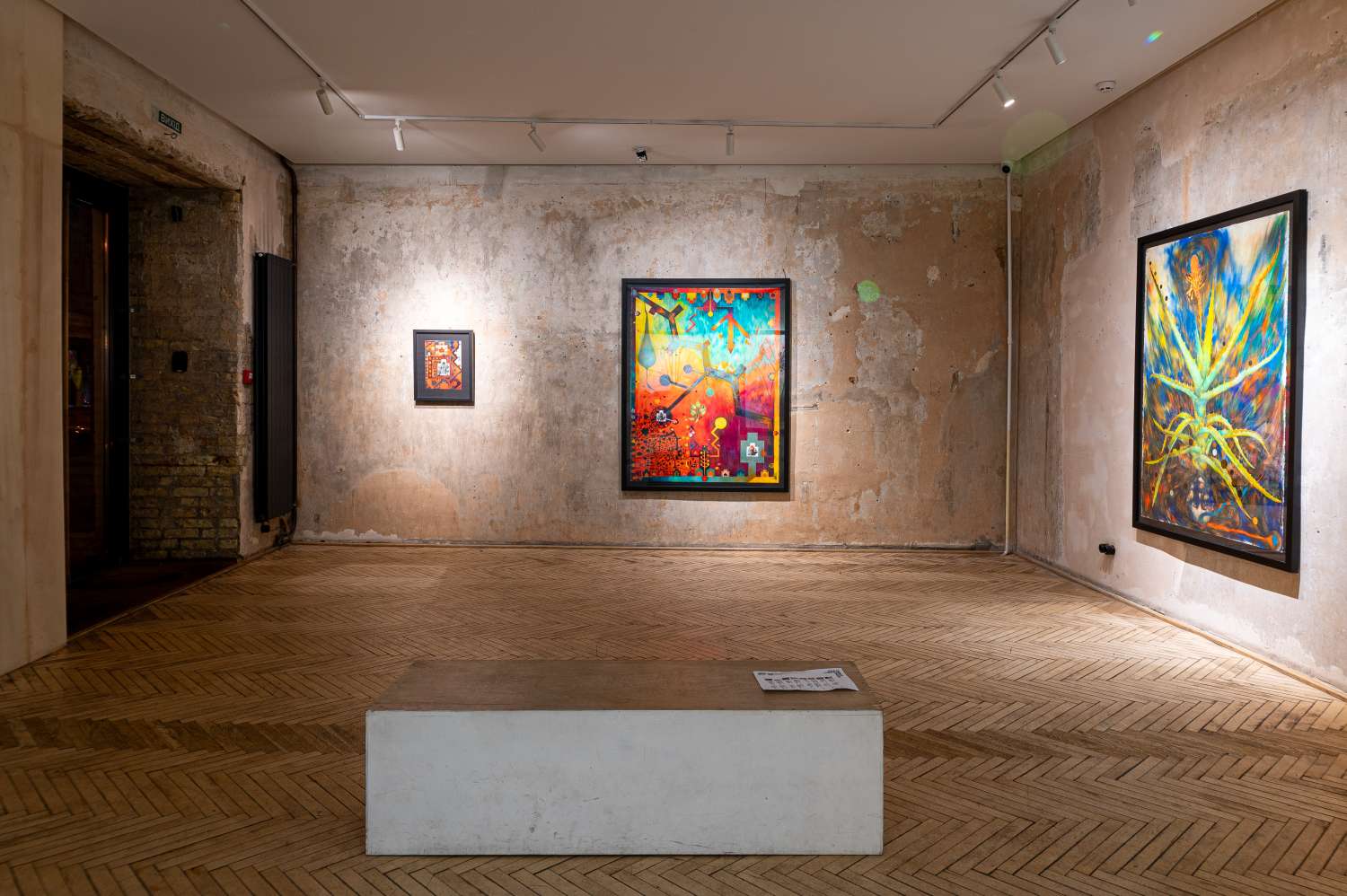
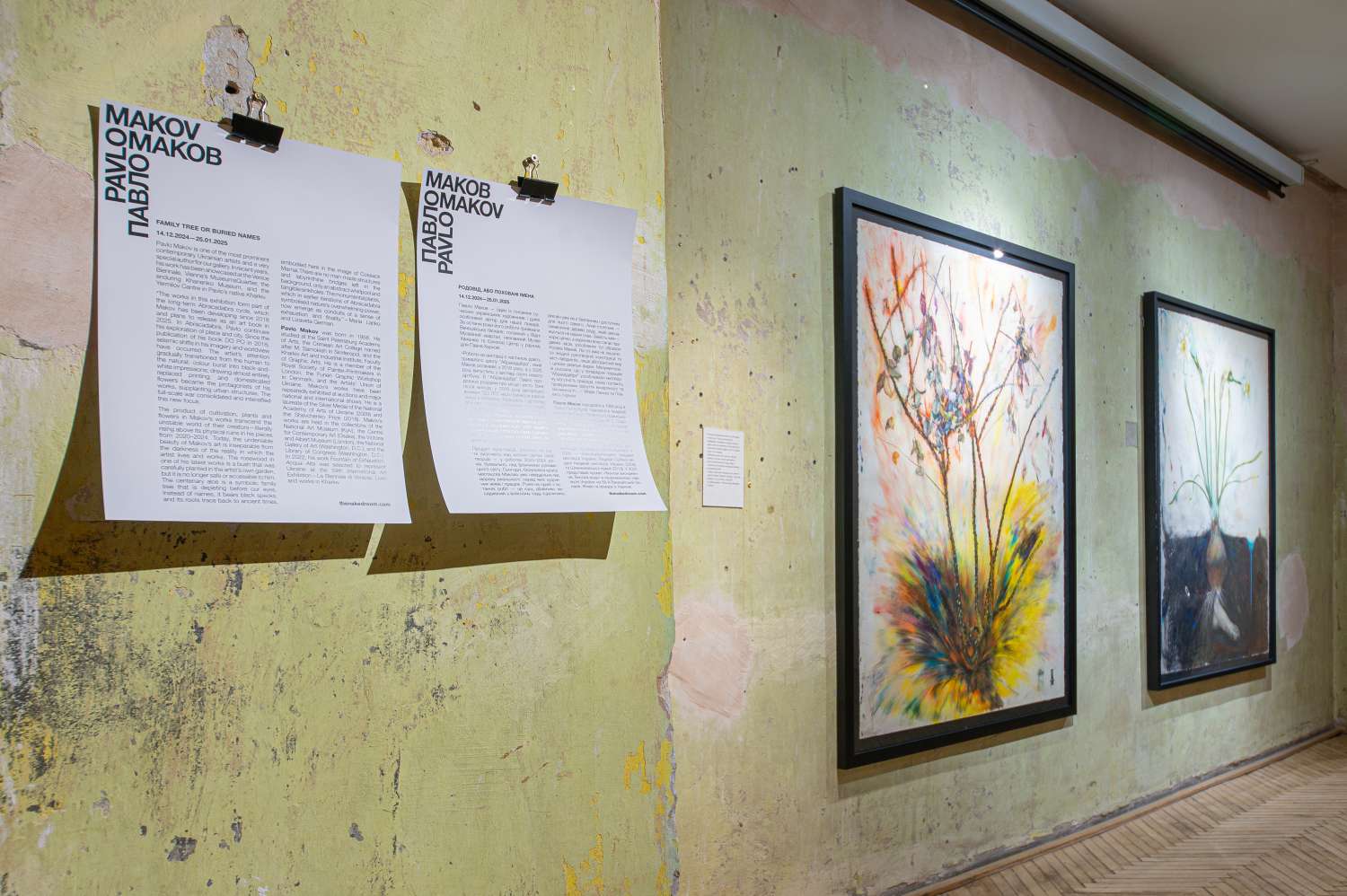
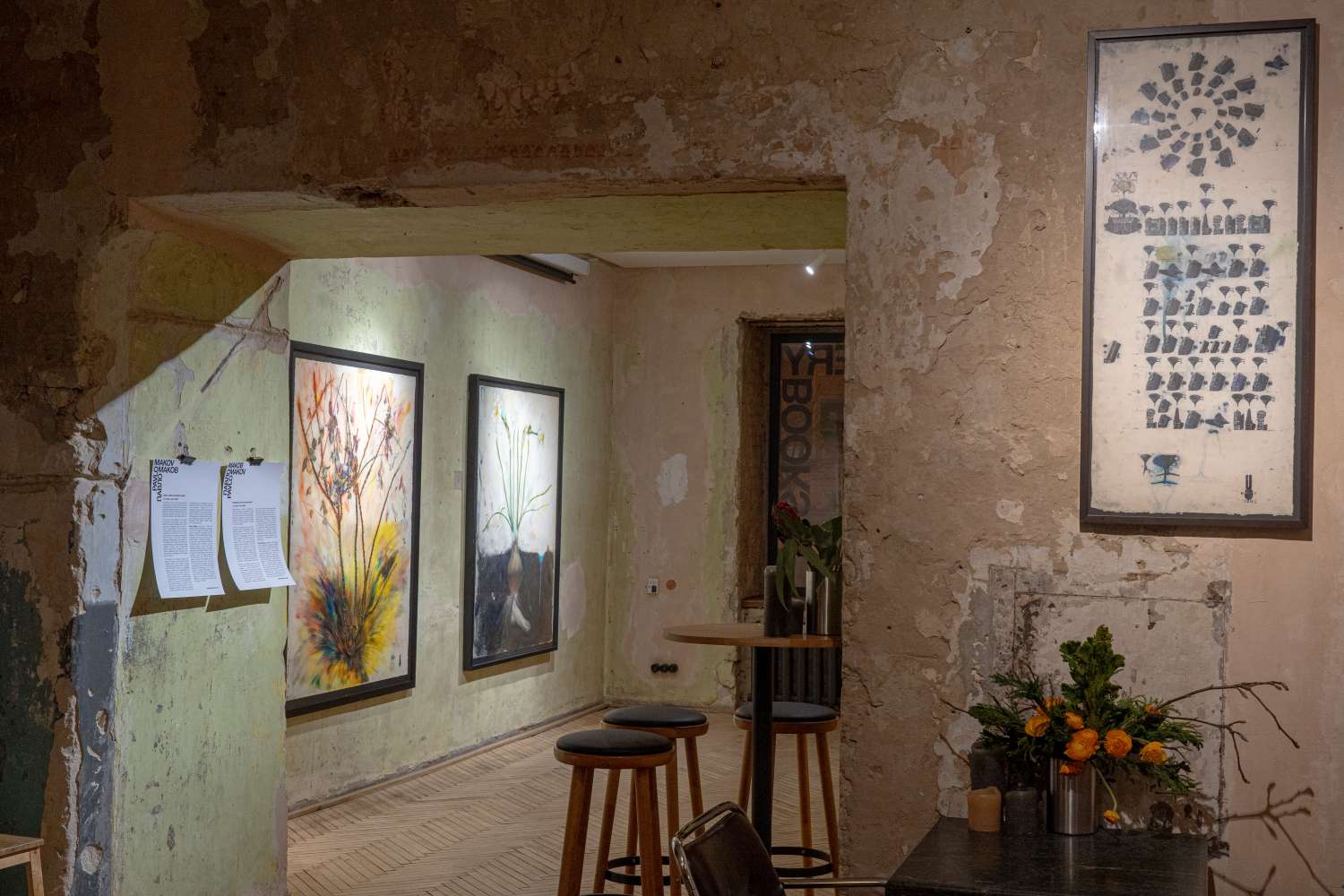
Pavlo Makov is one of the most prominent contemporary Ukrainian artists and a very special author for our gallery. In recent years, his work has been showcased at the Venice Biennale, Vienna’s MuseumsQuartier, the enduring Khanenko Museum, and the Yermilov Centre in Pavlo’s native Kharkiv.
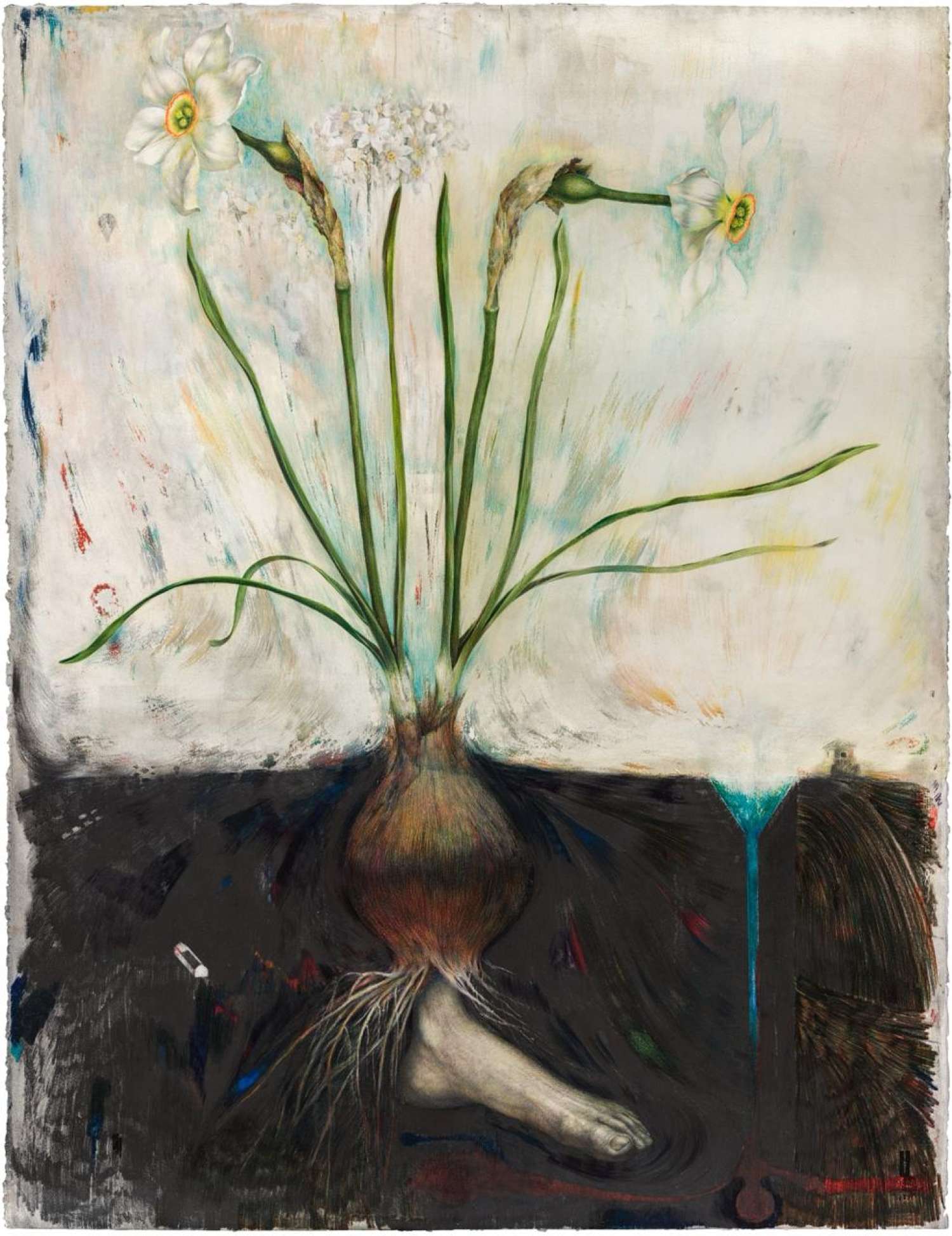
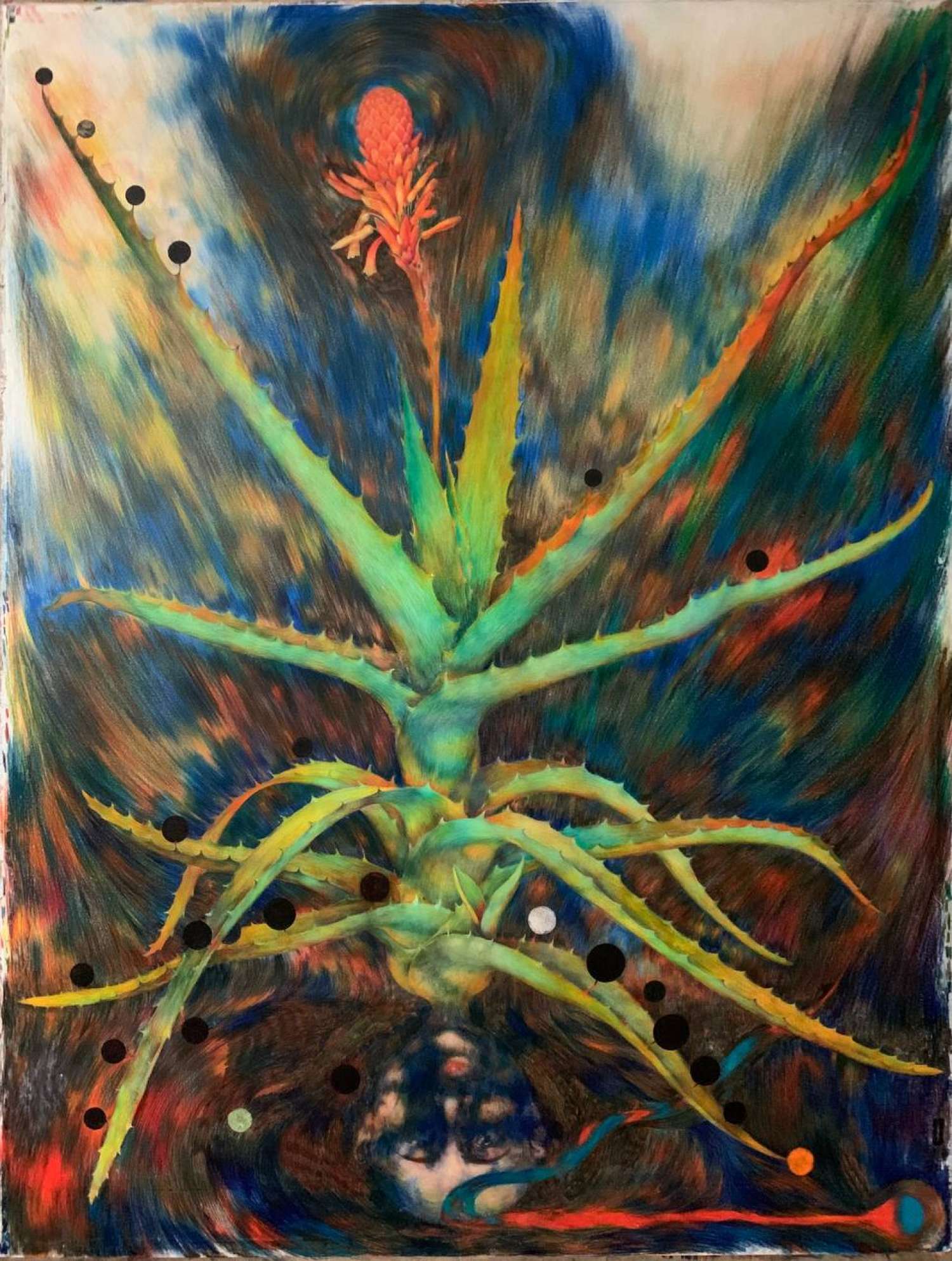
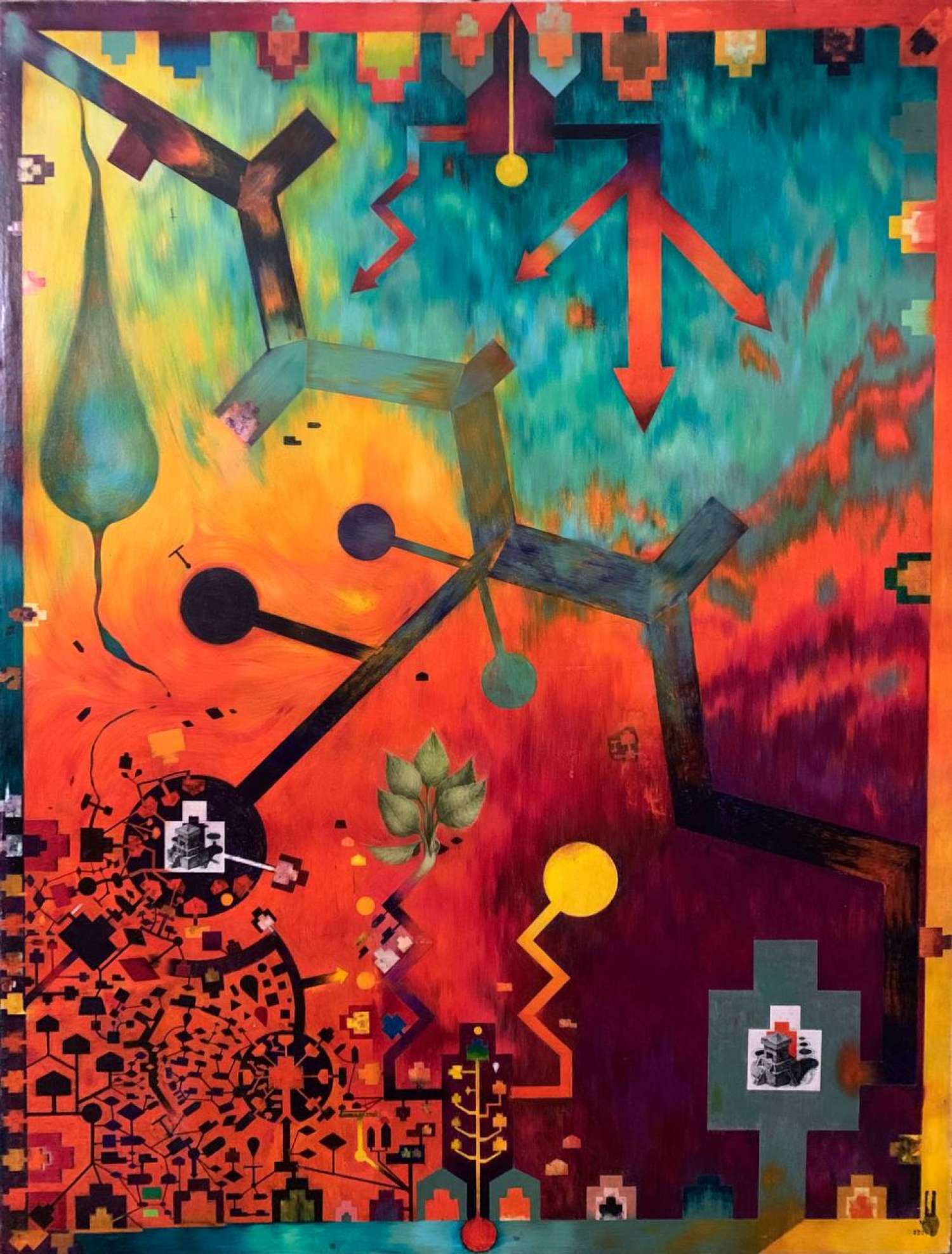
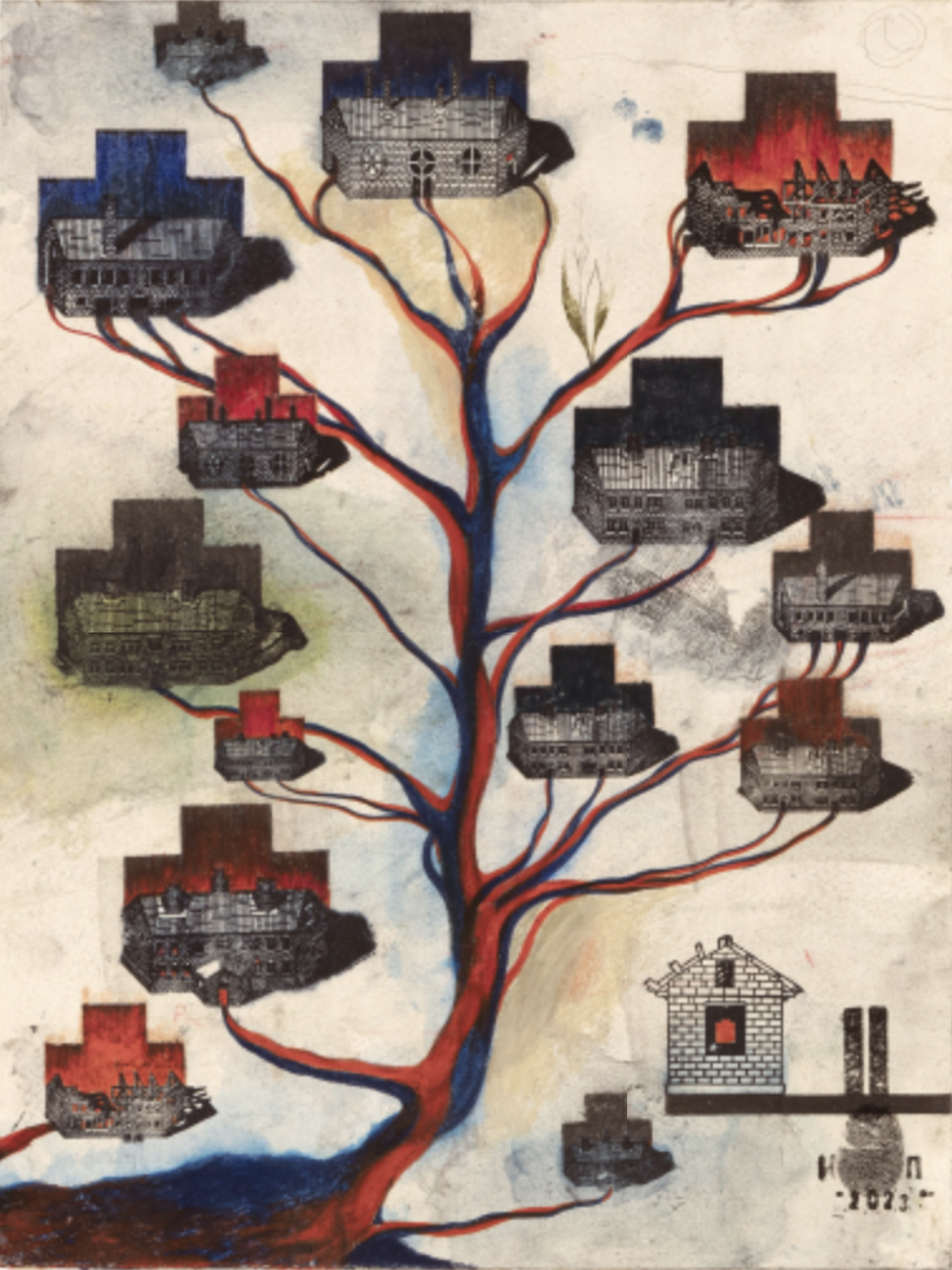
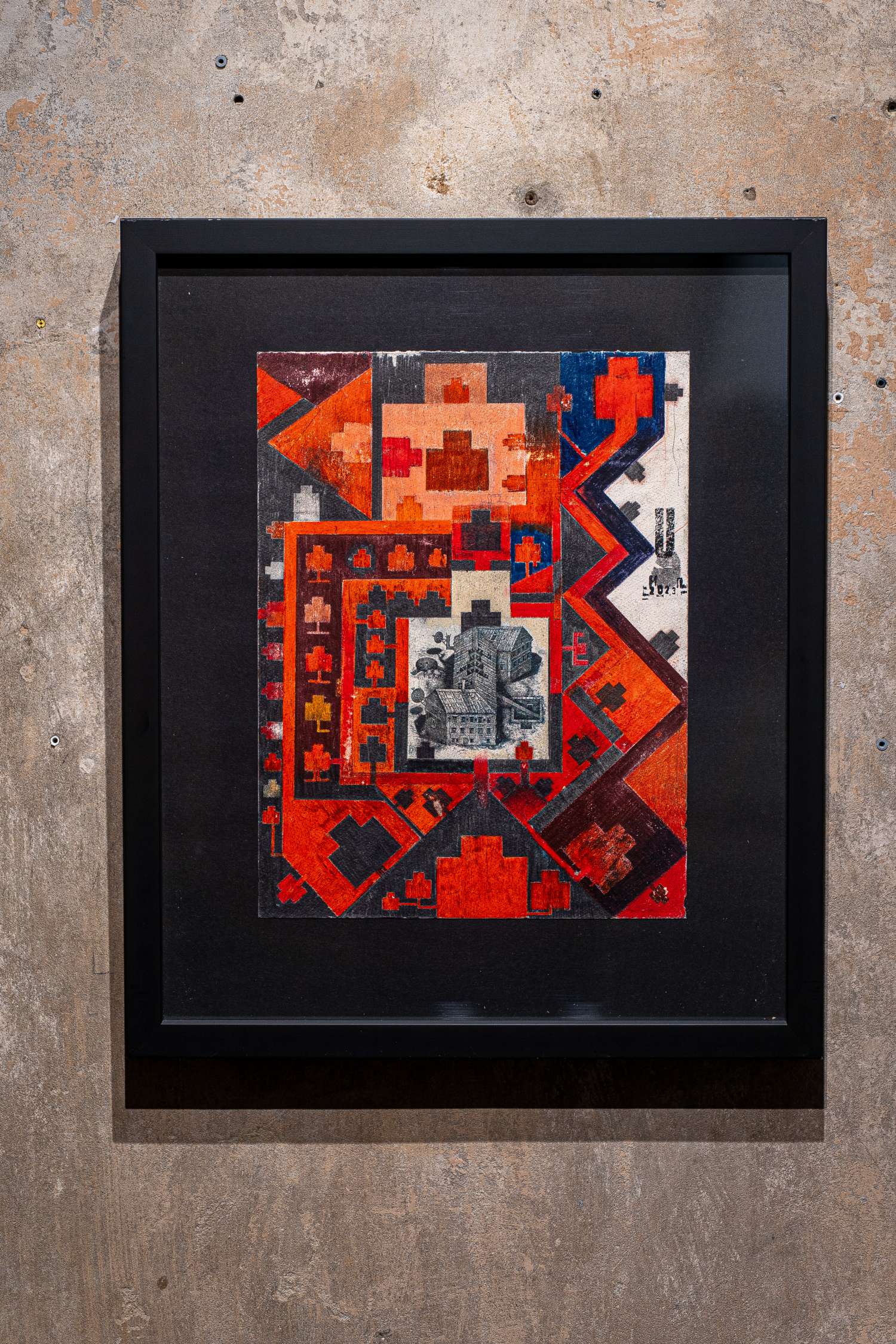
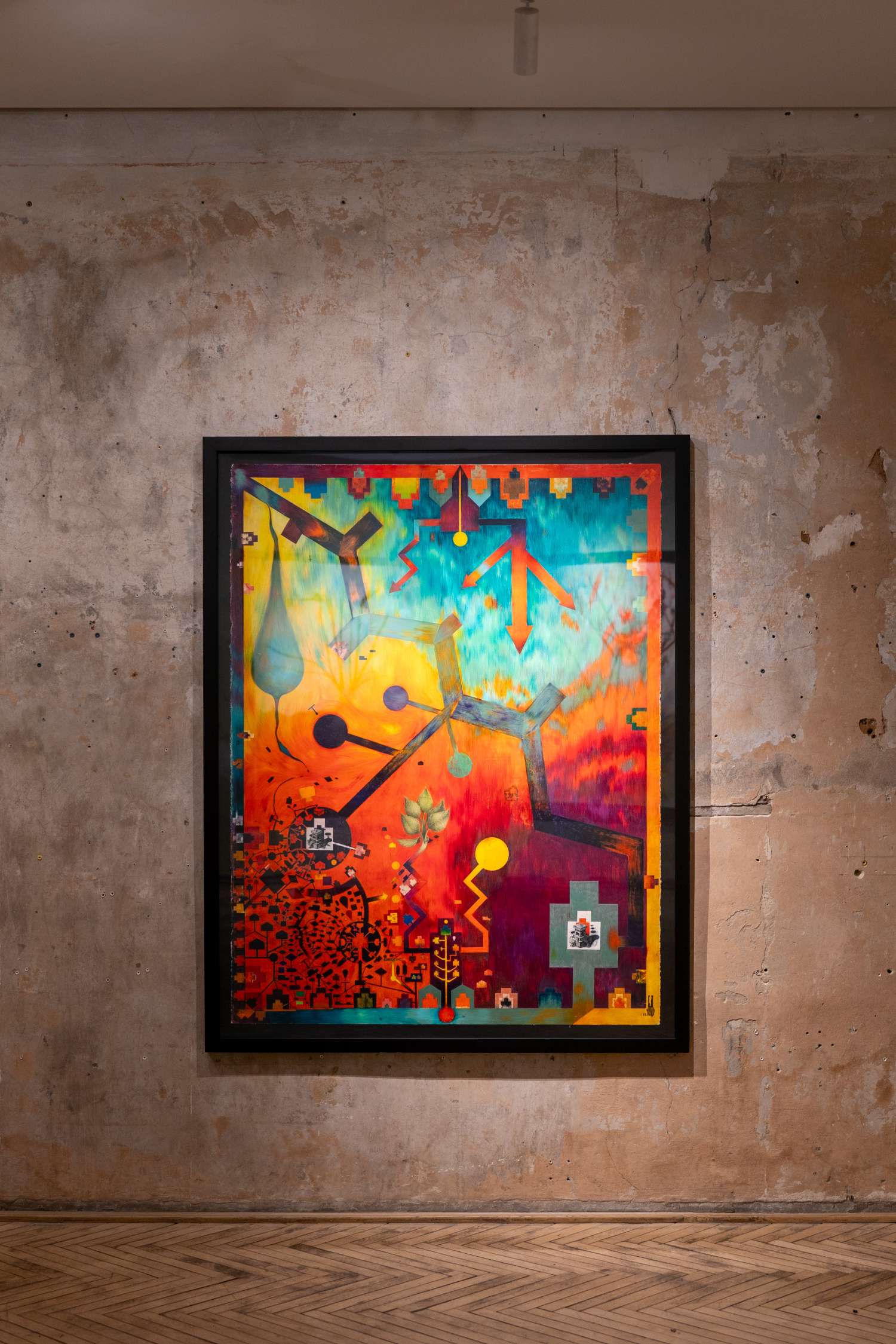
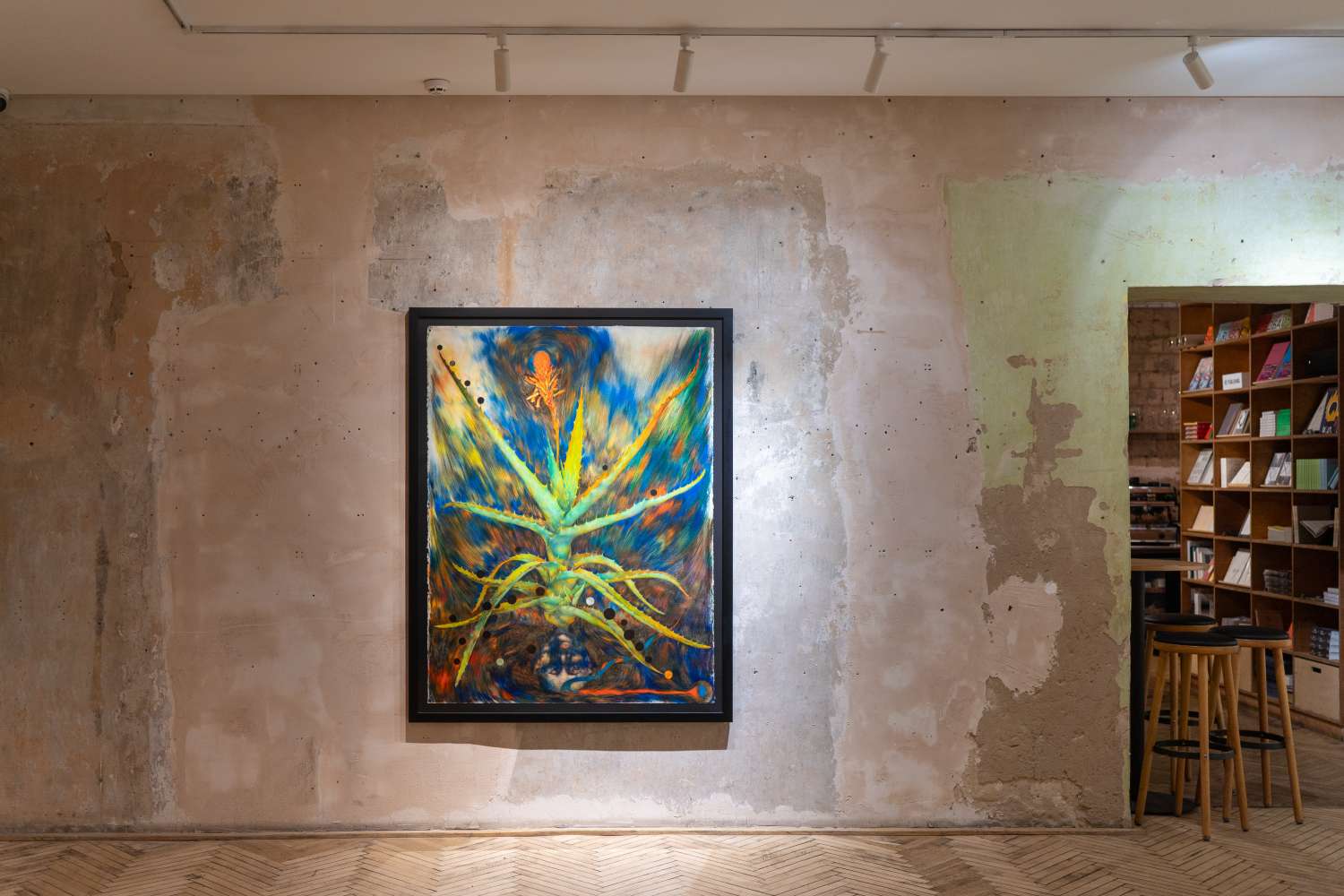
“The works in this exhibition form part of the long-term Abracadabra cycle, which Makov has been developing since 2018 and plans to release as an art book in 2025. In Abracadabra, Pavlo continues his exploration of place and city. Since the publication of his book DO PO in 2018, seismic shifts in his imagery and worldview have occurred. The artist’s attention gradually transitioned from the human to the natural; colour burst into black-and-white impressions; drawing almost entirely replaced printing; and domesticated flowers became the protagonists of his works, supplanting urban structures. The full-scale war consolidated and intensified this new focus.
The product of cultivation, plants and flowers in Makov’s works transcend the unstable world of their creators—literally rising above its physical ruins in his pieces from 2020–2024. Today, the undeniable beauty of Makov’s art is inseparable from the darkness of the reality in which the artist lives and works. The rosewood in one of his latest works is a bush that was carefully planted in the artist’s own garden, but it is no longer safe or accessible to him. The centenary aloe is a symbolic family tree that is depleting before our eyes. Instead of names, it bears black specks, and its roots trace back to ancient times, embodied here in the image of Cossack Mamai. There are no man-made structures and labyrinthine bridges left in the background, only an abstract whirlpool and tangible sinkholes. The monumental plants, which in earlier iterations of Abracadabra symbolised nature’s overwhelming power, now emerge as conduits of a sense of exhaustion and finality,”—Maria Lanko and Lizaveta German.